Daily Edition · Page 1

THE DAILY INDEX

Technology, AI, software, security, crypto and business

Across today’s newsletters

Today’s Index
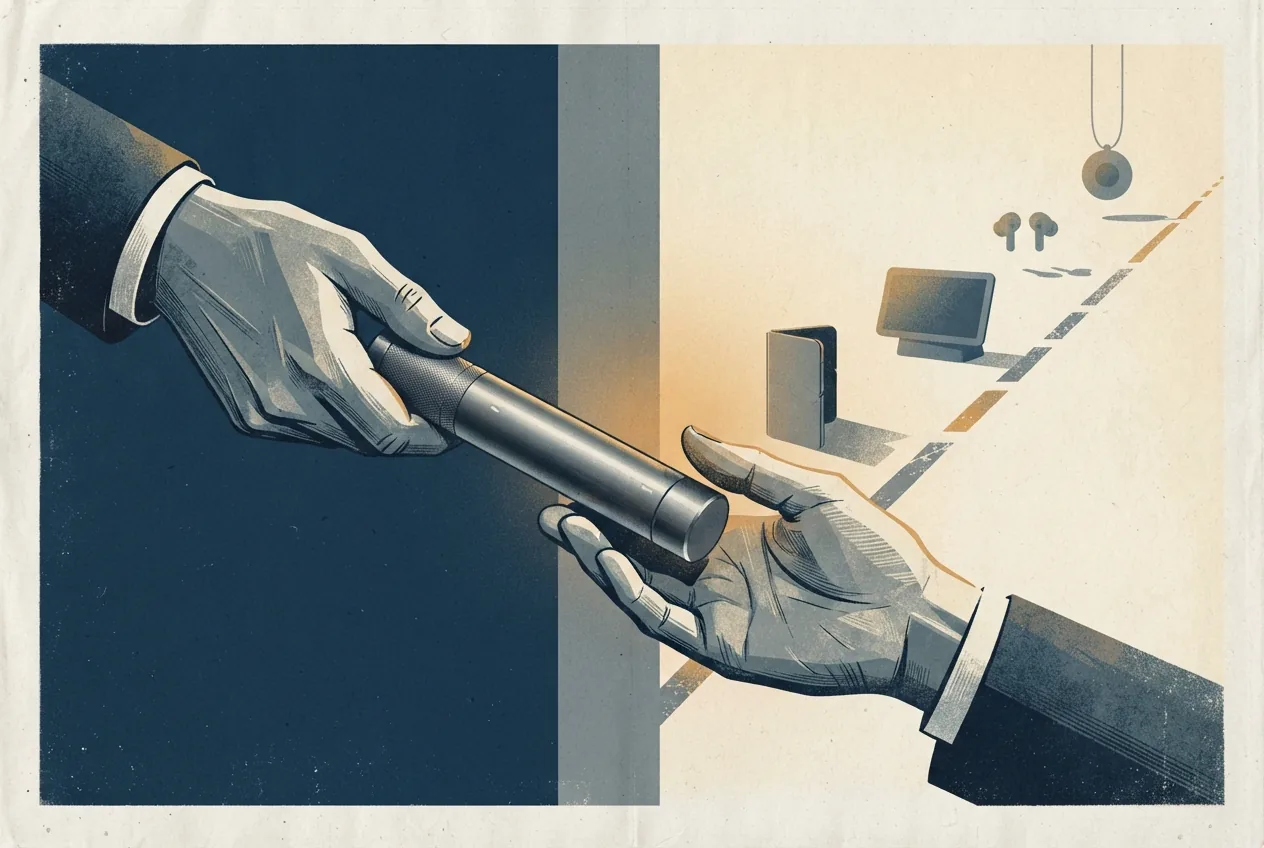
A precise control is passed between two sets of hands while silhouettes of upcoming consumer devices lead toward an unfinished path, representing John Ternus taking Apple's leadership with AI as the central challenge.
AI-generated editorial illustration

APPLE'S TERNUS TAKES THE REINS AS CEO, WITH AI AS JOB NO. 1

John Ternus will step into his new role as Apple's chief executive officer on September 1. Ternus has spent 25 years helping Apple perfect its devices. Apple is set to soon roll out its annual fall products, with this year's lineup including the company's first foldable iPhone, a smart display, AirPods with cameras, a camera-equipped pendant, and more. The releases are crucial to the company's plans to extend its decades-long run of success in the AI era.

TERMINALFIX CAMPAIGN DEPLOYS A REVERSE TUNNEL THROUGH MULTISTAGE INTRUSION

TerminalFix uses compromised sites and fake Cloudflare CAPTCHA prompts to copy malicious PowerShell into a victim's clipboard. The command downloads a ZIP, then abuses LockScreenContentServer.exe to sideload dui70.dll, which then extracts payloads from PNG pixel data, creates Run-key and scheduled-task persistence, and enumerates Active Directory, trusts, administrators, servers, and system details. A Python client opens a TLS WebSocket tunnel to gitnow[.]dev:443, allowing SOCKS-style access to internal hosts. Look out for nonstandard LockScreenContentServer.exe paths, dui70.dll loads, pythonw.exe client.py activity, and the listed C2 domains.

A16Z LAUNCHES A $1.1B "MACHINE AGE" FUND TO BANKROLL AI'S PHYSICAL INFRASTRUCTURE

Andreessen Horowitz raised $1.1 billion for a new "Machine Age" fund, a notable pivot for a firm best known for backing software, explicitly aimed at chips, memory, interconnects, data centers, cooling, and power-efficient edge devices rather than another model or app layer. The firm frames the bet around needing faster, more efficient systems, cheaper high-bandwidth memory, and better interconnects between nodes to keep the AI buildout from being bottlenecked by physical infrastructure, alongside broader materials, electrical, and real estate build-out to support it all.

KUBERNETES V1.37: POD CERTIFICATES AND CLUSTER TRUST BUNDLES

Kubernetes 1.37 brings Pod Certificates and Cluster Trust Bundles to general availability, adding X.509 certificate issuance for TLS and mTLS directly into core Kubernetes. The feature is designed as an alternative to service account JWTs, which are bearer tokens, meaning anyone who receives a copy of the token can use it to impersonate the workload. Pod Certificates use proof-of-possession credentials, so a workload proves it holds a private key without ever sending that key to a peer. The Kubernetes project has also released Tinycert, a third-party signer for experimenting with Pod Certificates, since no built-in signers ship with core Kubernetes yet.

APPLE WILL BE LAUNCHING ITS FIRST PAIR OF SMART GLASSES NEXT YEAR: HERE'S WHAT'S COMING

Apple is reportedly preparing AI-powered smart glasses for launch in 2027 that focus on voice and camera-based assistance rather than augmented reality displays. The glasses would use Siri and Visual Intelligence to analyze the user's surroundings, answer questions, provide context, translate signs, and save visual reminders, while also functioning as open-ear audio devices. Apple is developing multiple frame styles and premium finishes in-house, with future versions potentially adding health features such as heart-rate monitoring. Unlike Meta's smart glasses, Apple may limit photo and video capture due to privacy concerns. Current reports suggest the product will be unveiled at WWDC 2027 before shipping later that year.

THE DREAM OF QUANTUM COMPUTING IS BOTH DEAD AND ALIVE

Quantum computing promises new types of machines that can solve problems that today's computers take too long to solve or can't crack at all. Many technologists believe that quantum computers will wreak all manner of cybersecurity havoc when they get powerful enough to crack the complex math behind encryption protocols. If proper security measures aren't in place in time, the digital gates that protect everything online will be worthless. Researchers from Google predict that this cybersecurity apocalypse could come as early as 2029.

TLDR IndexPage 1