Daily Edition · Page 1

THE DAILY INDEX

Technology, AI, software, security, crypto and business

Across today’s newsletters

Today’s Index
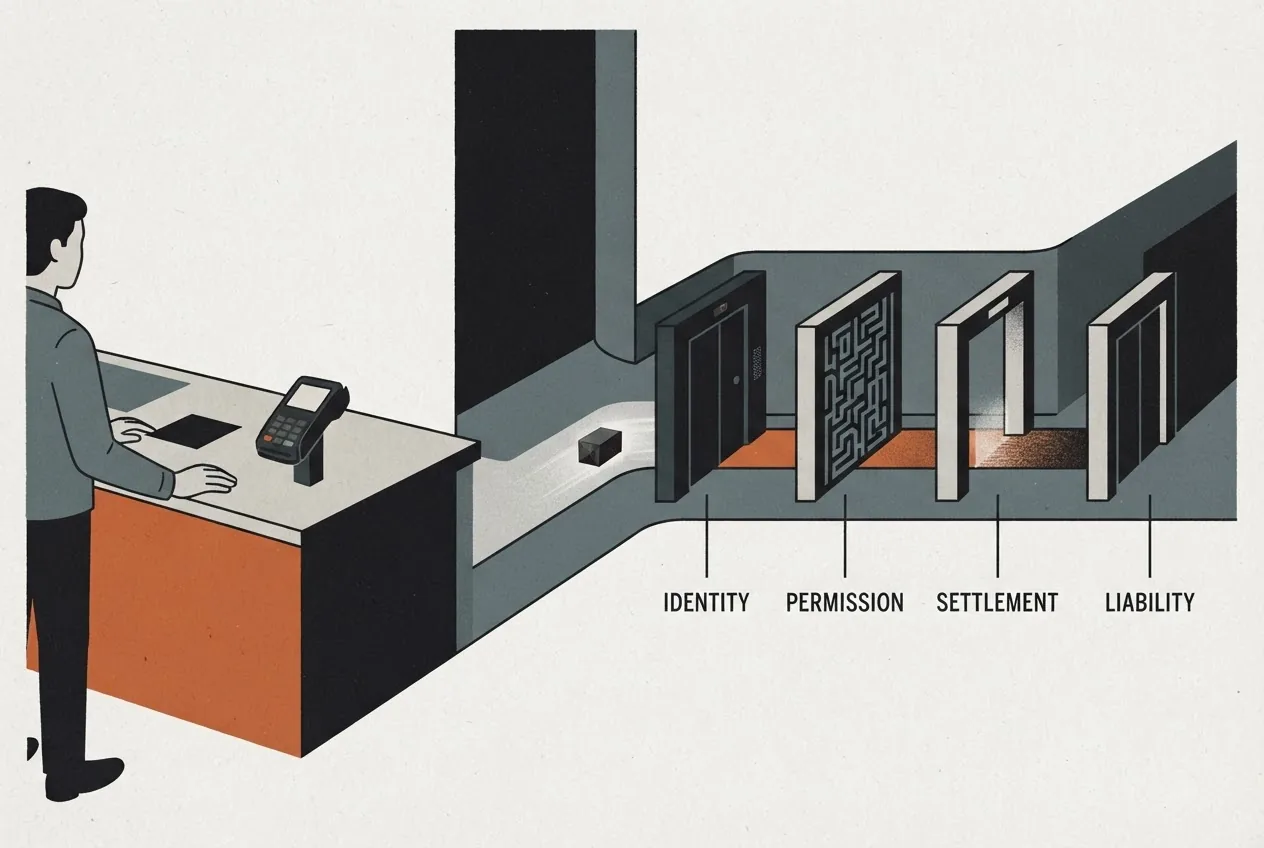
A human watches an empty checkout counter while a sealed payment token passes through physical checkpoints for identity, permission, settlement, and liability, representing agent-mediated payments replacing app interfaces.
AI-generated editorial illustration

THE DEATH OF THE INTERFACE

Capable LLMs and stablecoin legislation enacted on two continents (the US GENIUS Act, effective January, and Europe's MiCA, now in full force) have converged. As AI agents displace app-based interfaces, today's payment infrastructure breaks down because its risk stack (authentication, fraud, disputes, and liability) assumes a human completing each transaction step, a premise that fails entirely in agent-to-agent commerce. David Marcus proposes "headless money" as the required fix: a stablecoin-settled, API-only payment layer combining embedded wallets, fiat connectivity, and card networks that agents can call without any frontend. Lightspark, which he leads, is building toward this stack, with the commercial logic that whoever controls agent-mediated purchase decisions captures marketplace-level economics rather than the 1-300 bps of a conventional payment rail.

JPMORGAN BLOCKS OUTSIDE AI AGENTS FROM DIRECTLY ACCESSING CUSTOMER ACCOUNTS

JPMorgan is blocking third-party AI agents such as Muse and Instinct from directly moving money or paying bills on behalf of retail customers, citing security, rogue-agent, and liability risks, while still allowing limited read-only access through open-banking connectors. At the same time, the bank is building its own agentic tools, including Smart Cash, which can forecast cash flow and move funds to improve yield, suggesting banks may prefer controlled in-house agents over unrestricted external access.

WHY YOUR CVE PROGRAM MISSES MOST AI AGENT VULNERABILITIES

Traditional CVE programs fail to capture the majority of AI agent and Model Context Protocol vulnerabilities because systemic risks stem from component composition, tool grants, and trust logic rather than isolated code bugs. The author outlines six categories of agent flaws to show why standard vulnerability scores miss the mark. Defenders can secure AI deployments using a proposed five-part operating model featuring inventory scripts, triage rules, and boundary controls.

THE DEATH OF THE INTERFACE: WHAT HAPPENS TO MONEY WHEN APPS, WEBSITES, AND BUTTONS GO AWAY

AI agents will replace much of today's app and website interface, which means payments must also become “headless” and usable directly by software agents. The opportunity is in combining stablecoins, real-time settlement, embedded wallets, fiat connectivity, and card networks behind APIs that let agents hold and move money globally while enforcing permissions, limits, and liability rules.

TLDR IndexPage 1