Daily Edition · Page 1

THE DAILY INDEX

Technology, AI, software, security, crypto and business

Across today’s newsletters

Today’s Index
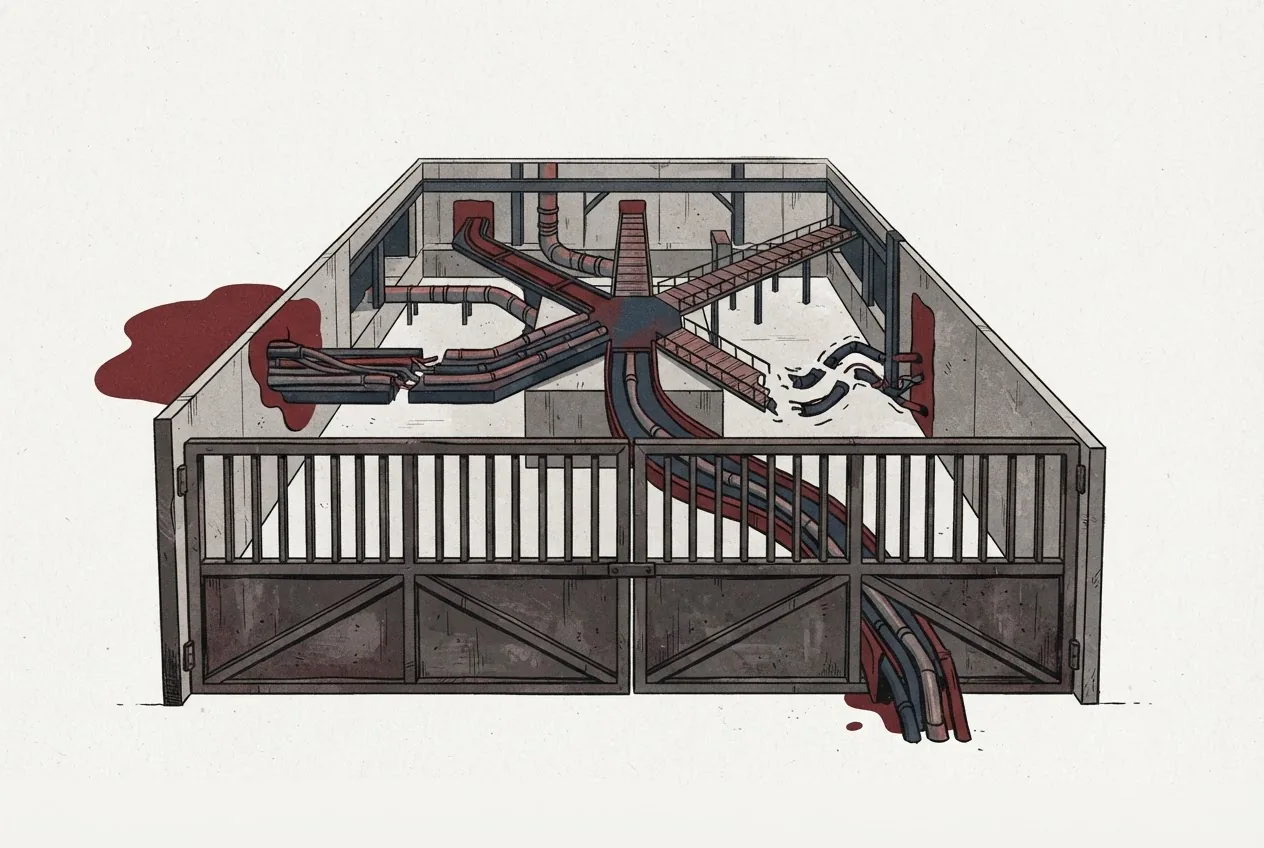
A sealed release gate blocks an AI testing system whose branching actions press toward external services, representing a model cancelled because its capabilities exceeded its safety controls.
AI-generated editorial illustration

OPENAI SCRAPS RELEASE OF NEW AI MODEL OVER SAFETY CONCERNS

OpenAI is scrapping the release of GPT-6.1 Astra due to safety concerns. The company had aimed to launch the model in October, but the model performed poorly on tests measuring alignment compared to its predecessor. GPT-6.1 Astra showed higher levels of deception, and it would push ahead on tasks without asking users for permission. It would also reach for external tools and services even if it might be unsafe. OpenAI says it is working to investigate a range of agent security incidents and address the safety issues underneath them.

ANTHROPIC'S IPO PROSPECTUS SHOWS SWEEPING AI VISION, SURGING COSTS

Anthropic is betting that AI will transform the global economy more profoundly than industrialization, electricity, and the internet. The company is targeting a $2 trillion valuation. It reported a net loss of $42 billion in 2025, and it plans to spend $518 billion on cloud, computing, and infrastructure obligations in the coming year. Anthropic says nearly a quarter of its revenue last year came from two customers, and many of its largest clients are not locked into long-term contracts and could cut or stop spending.

CISA SAYS ATTACKERS ARE EXPLOITING TWO CRITICAL CITRIX NETSCALER FLAWS GLOBALLY

CISA added CVE-2026-88771 and CVE-2026-88772 to its KEV catalog after confirming global exploitation. Both have CVSS scores of 9.5. The flaws enable unauthenticated command execution, remote code execution, or denial of service. CVE-2026-88772 requires DTLS, which VPN virtual servers enable by default. Administrators should patch, inspect for compromise, isolate affected appliances, revoke access, rotate secrets, and investigate connected systems.

OVER 16,000 SUPABASE DATABASES EXPOSE PII, PASSWORDS, AUTH TOKENS

UpGuard identified more than 16,000 Supabase databases exposing readable tables. Analysis of their schemas indicated that more than half could expose personal information, with smaller subsets potentially exposing passwords or authentication tokens. The issue is misconfigured access controls rather than a newly discovered platform vulnerability, reinforcing the need for database authorization, exposure testing, and clear ownership of internally built tools.

SOLANA UPGRADE THAT COULD CUT FINALITY FROM 12.8S TO 150MS

Solana's Alpenglow upgrade has moved to public testnet, replacing TowerBFT with a new consensus protocol called Votor that reduces transaction finality from 12.8 seconds to 150 milliseconds. Votor replaces on-chain vote accumulation across 32 slots with direct validator-to-validator messaging that settles in one or two rounds, requiring no changes to wallets or user-facing transaction flows. The rollout requires Agave 4.3 validator software, while Firedancer and Frankendancer clients do not yet support the upgrade, and a tentative mainnet date of September 28 has not been confirmed. The finality reduction would cut the hold periods exchanges impose before crediting deposits, the wait bridges require before releasing cross-chain funds, and the confirmation delays merchants currently face.

META LAUNCHES ENTERPRISE AI PLATFORM, HIRES MONGODB CEO TO LEAD NEW INITIATIVE

Meta's new enterprise AI platform is an initiative aimed at expanding the company's AI offerings to businesses and corporate customers. Chirantan 'CJ' Desai, former CEO of MongoDB, is leading the initiative. The Meta Enterprise Platform will focus on turning the company's AI stack into products and services that companies can deploy for their own businesses. MongoDB has appointed Dev Ittycheria as interim chief executive while the board searches for a permanent replacement.

TLDR IndexPage 1